Sourcing Frozen French Fries for HORECA and QSR Chains in India: What Operations Heads Should Demand
If you run procurement for a hotel group, a QSR chain, or a multi-brand cloud kitchen, frozen french fries are probably one of your top-five SKUs by volume. Yet most operations heads inherit a supplier rather than choosing one. This is the playbook to fix that.
Step 1: Define your fry brief in writing
Before you talk to any manufacturer, your team should agree on:
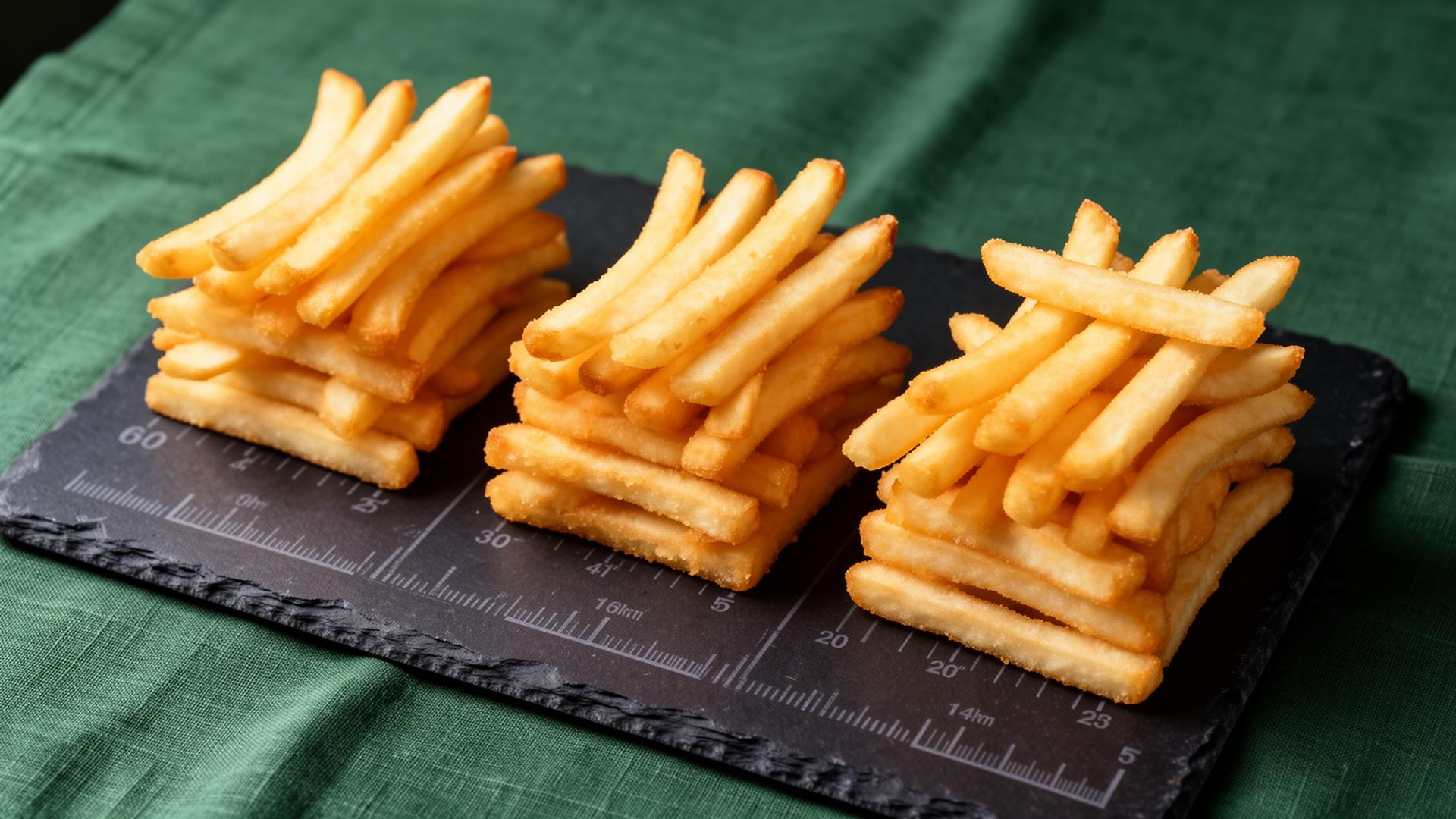
- Cut size (9mm, 10mm, 11mm — see our cut size guide)
- Pack size (1kg, 2.5kg, bulk)
- Monthly volume (kg/month per outlet × number of outlets)
- Replenishment cadence (weekly, fortnightly)
- Cold chain endpoints (CDC, individual outlets, or both)
Send this brief to every supplier you evaluate. It eliminates the back-and-forth and forces clean quotes.
Step 2: Insist on supply consistency, not just price
A ₹5/kg discount means nothing if your supplier short-ships during the monsoon. Ask:
- What is your peak-season fill rate? (Target: >97%)
- How many days of finished-goods inventory do you hold?
- What is your contingency if your primary cold storage goes down?
For HORECA-grade reliability, see our HORECA supplier program. For high-volume QSR chains, the QSR supplier program is built around batch-coded traceability and weekly replenishment.
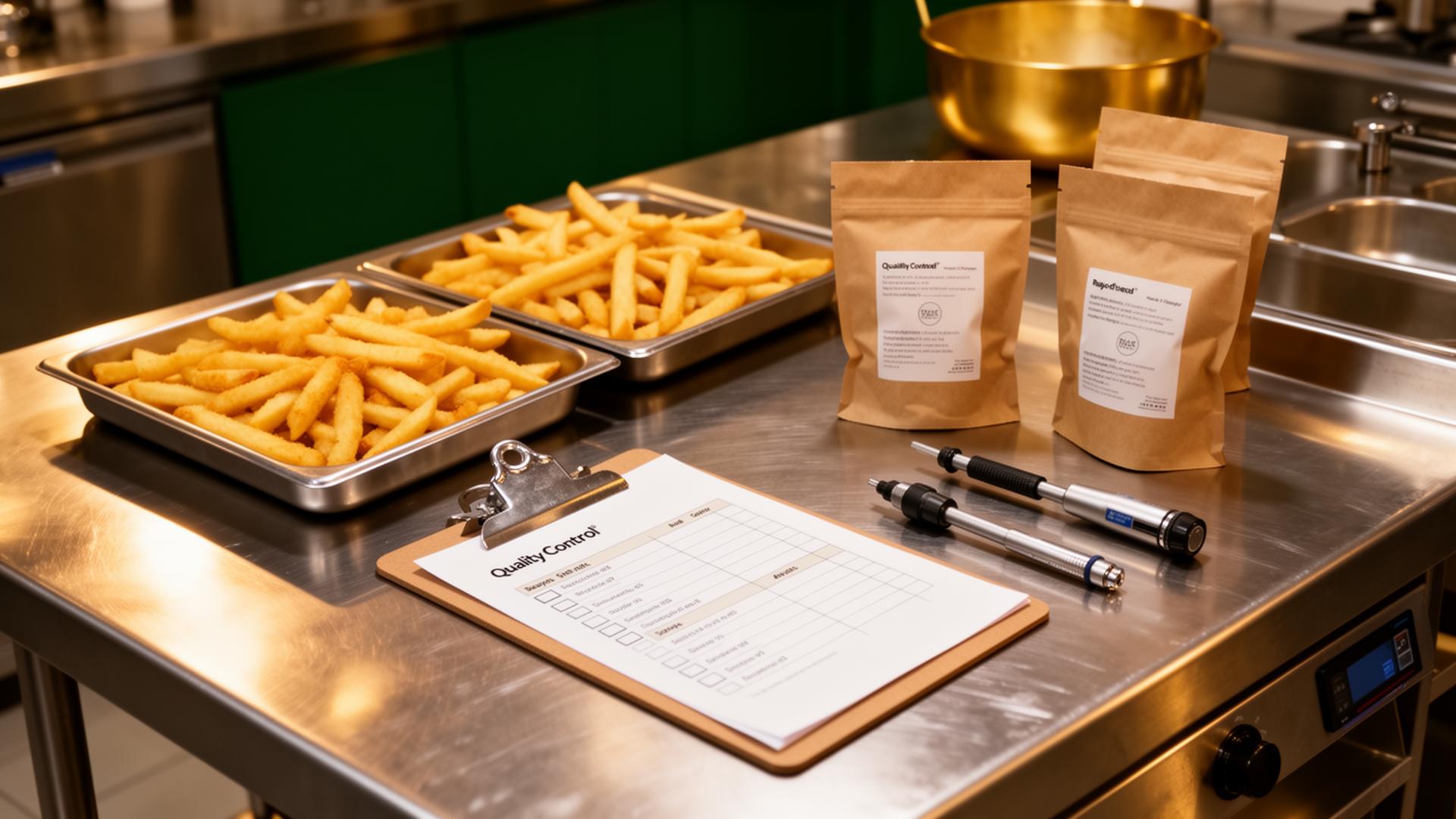
Step 3: Audit the cold chain end-to-end
Frozen fries are only as good as the warmest point in their journey. Before signing, ask the supplier to walk you through:
- Plant blast freezer → core temp and dwell time
- Plant cold storage → -18°C verified, dual-redundant
- Outbound truck → reefer temperature logs available on demand
- Distributor / CDC handover → temperature checked and recorded
If the supplier can't show you logs, assume they don't exist.
Step 4: Lock the contract terms that actually matter
Most fry contracts focus on price and MOQ. The terms that protect operations are:
- Fill rate SLA (with rebate for misses)
- Lead time guarantee (e.g., 7 days from PO)
- Quality clause (return/credit on out-of-spec batches)
- Price-lock window (90 or 180 days)
- Single point of contact (named account manager, not a generic email)
Step 5: Run a 60-day pilot before national rollout
Pick 3–5 outlets across geographies. Run for 60 days. Track:
- Customer complaints per 1000 servings
- Yield per kg (fries served vs. fries ordered)
- Stock-outs and short-ships
Only then commit to network-wide rollout.
Step 6: Build redundancy
Even your best supplier will have a bad month. For volumes above 5 tonnes/month, always run two qualified suppliers at a 70/30 split. This keeps your primary honest and your kitchens running.
Bonus: distributor or direct?
Direct from the manufacturer works best when:
- You're ordering >2 tonnes/month per drop point
- You have your own CDC
Through a distributor works best when:
- You're sub-tonne per drop point
- You need rapid replenishment to many small outlets
Our distributor and wholesale network covers most Indian metros with 48–72 hour replenishment.
Talk to us
The Nilgiri Root supplies HORECA and QSR chains across India with FSSAI-licensed, blast-frozen french fries from 100% Nilgiri mountain potatoes. We run named account managers, batch traceability, and SLA-backed contracts.