How to Choose a Frozen French Fries Manufacturer in India: A B2B Buyer's Guide
Choosing the right frozen french fries manufacturer in India can make or break your foodservice margin. Whether you're a hotel chain in Mumbai, a QSR brand scaling across Tier-2 cities, or an exporter shipping to the Gulf, the supplier you pick decides your fry quality, your kitchen consistency, and your customer's last bite.
This guide walks you through the criteria a serious B2B buyer should use in 2026.
1. Start with the potato, not the package
Most frozen fry quality issues trace back to the raw potato. Look for manufacturers that source from high-altitude growing regions — the Nilgiris, parts of Himachal, and the Ooty plateau produce potatoes with the right starch-to-sugar ratio for golden, non-greasy fries.
Ask three questions:
- Where are your potatoes grown?
- Do you contract directly with farmers or buy from mandis?
- What's your harvest-to-freeze window?
A manufacturer that can answer all three with specifics is worth a sample order. If you're sourcing from South India, our frozen french fries manufacturer in Ooty page details how altitude and direct farm contracts shape end-product quality.
2. FSSAI is the floor, not the ceiling
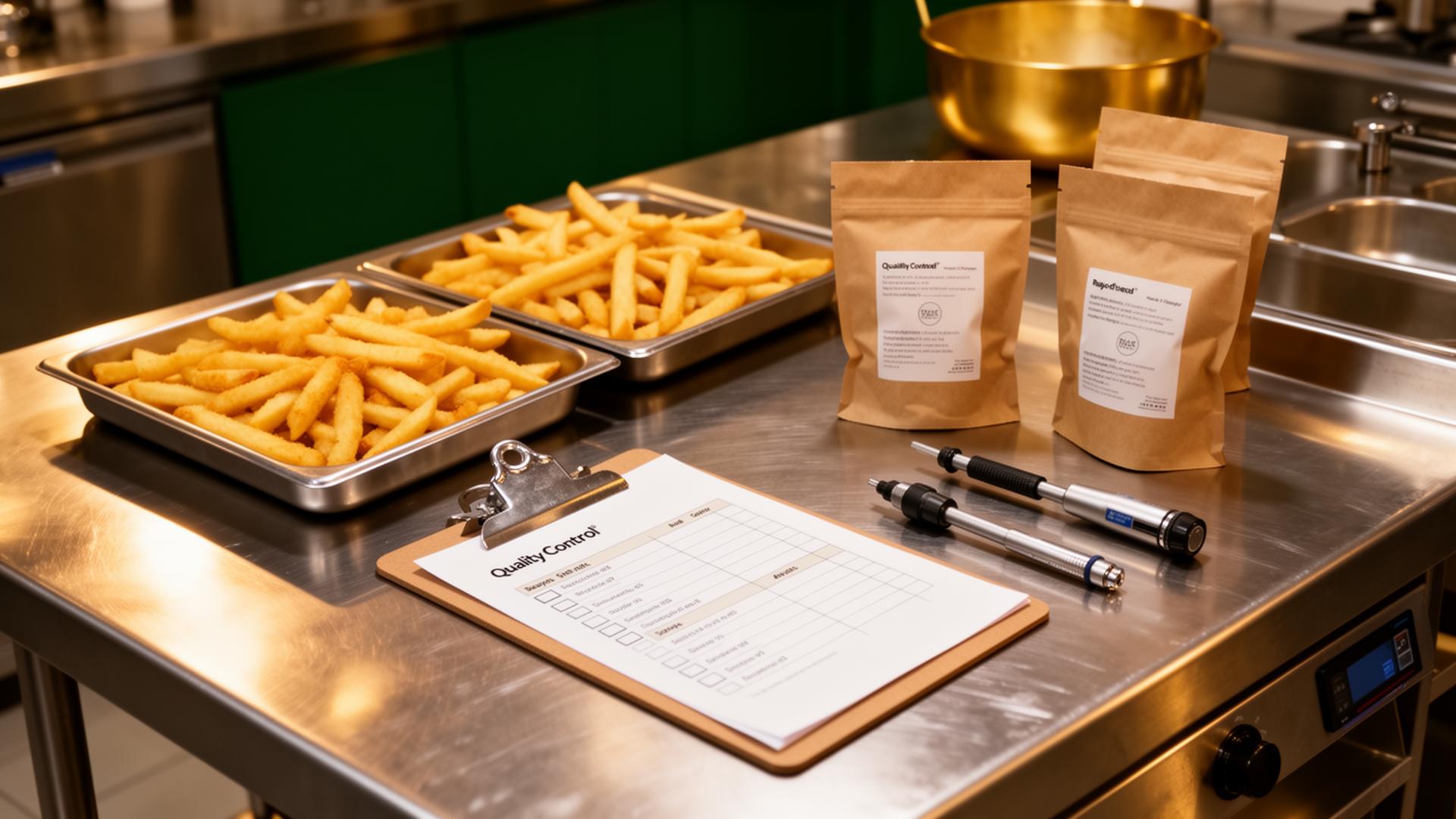
Every legitimate Indian manufacturer must hold a valid FSSAI license for frozen processed foods. That's table stakes. What separates serious players is what sits on top of it:
- HACCP-aligned process flow
- Documented metal detection at packing
- Cold chain SOPs from plant to truck
- Traceability per batch (lot codes printed on every carton)
Ask for a copy of the FSSAI license and the most recent third-party audit. If they hesitate, walk away.
3. Understand the cut sizes you actually need
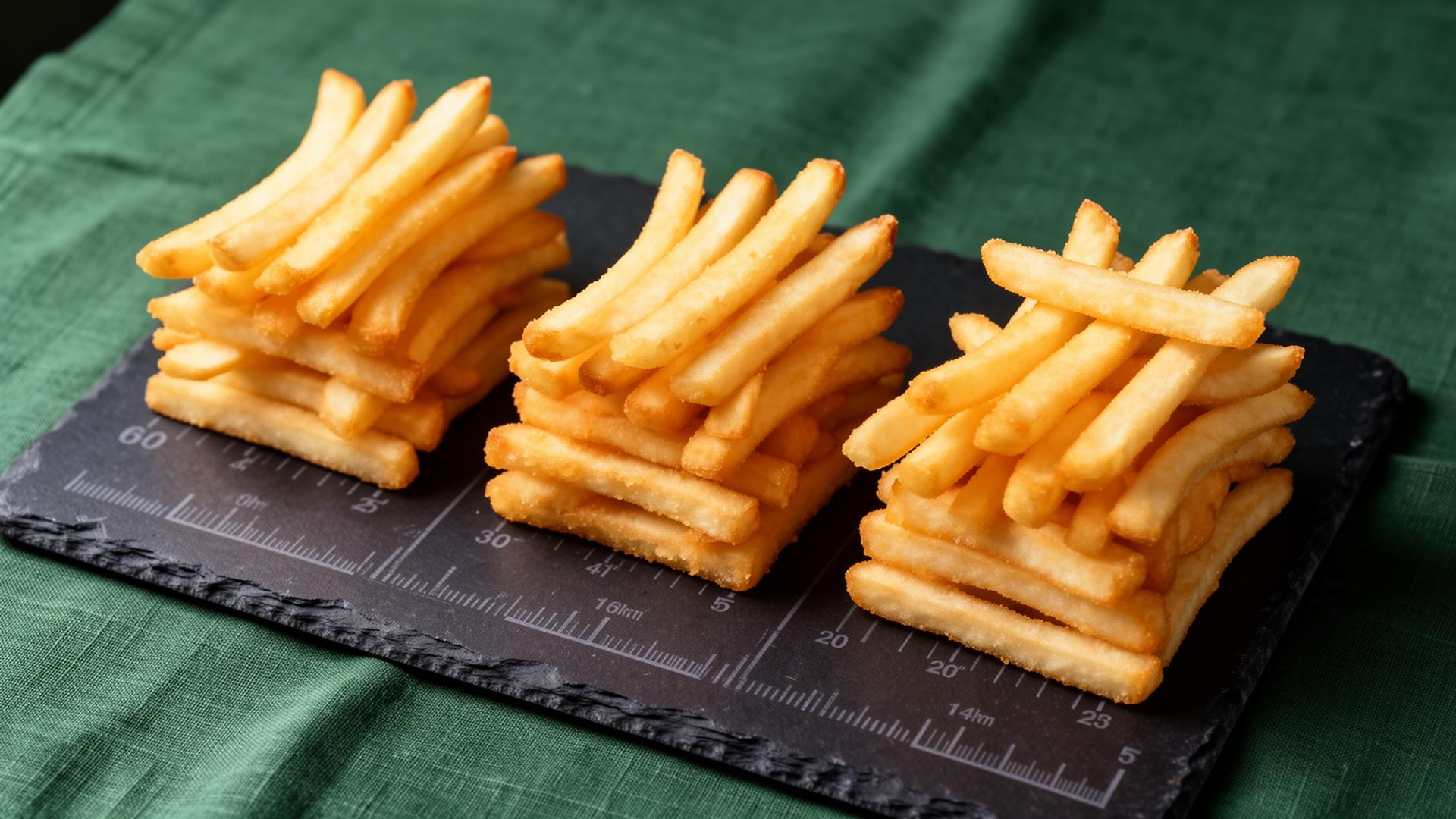
Cut size determines bite, cook time, and oil pickup. The three workhorse cuts in India are:
- 9mm (shoestring) — fast cook, crisp finish. Ideal for QSR and delivery. See our 9mm frozen french fries spec sheet.
- 10mm (standard) — the universal HORECA cut. Good crisp-to-fluffy ratio.
- 11mm (steak cut) — premium plating, longer cook, stays hot longer on a buffet.
A capable manufacturer should offer all three from the same line, with consistent length and minimal slivers.
4. Blast freezing vs. tunnel freezing
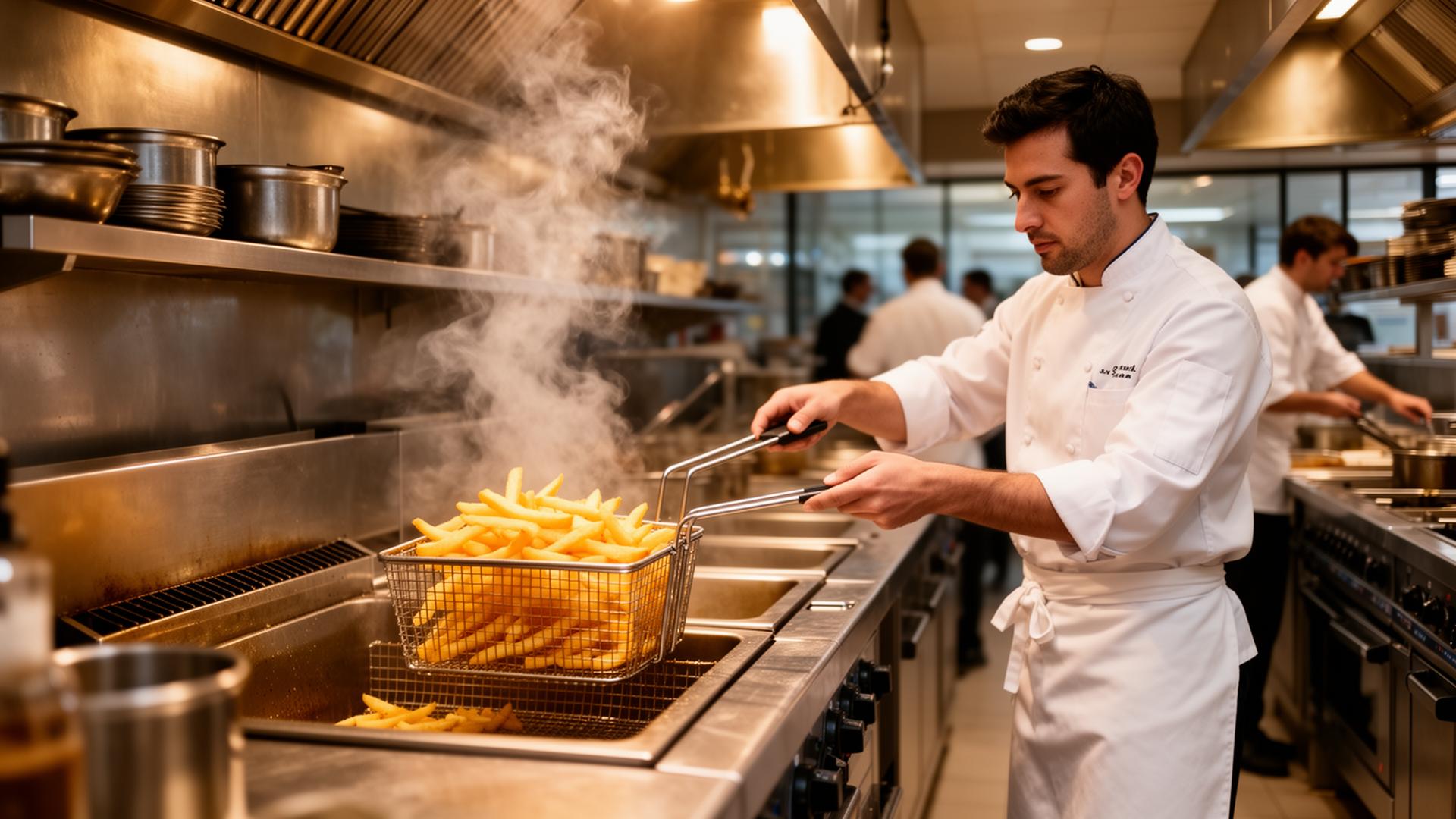
This is the single biggest quality differentiator most buyers miss. Blast freezing locks in the par-fry crust within minutes, preserving texture. Slow freezing forms larger ice crystals that rupture cells and produce soggy, dark fries on reheat.
Ask: "What's your core temperature target and how fast do you hit it?" The right answer is around -18°C core in under 30 minutes from par-fry exit.
5. Packaging and pack sizes for your channel
Your channel decides your pack:
- Retail / D2C: 500g and 1kg consumer packs
- HORECA / cloud kitchens: 2.5kg catering bags
- Distributors / bulk: master cartons and 10kg+ bulk
A good manufacturer will already have these SKUs running. If they need a new line for your pack size, expect 6–8 week MOQs and slower replenishment.
6. Lead time, MOQ, and replenishment
For a stable HORECA partner, target:
- MOQ that fits one pallet (not one truck) for first orders
- Replenishment lead time under 10 days within India
- Clear export documentation if you ship overseas
If you're building a national distribution footprint, our frozen french fries distributor wholesale program is designed around exactly these timelines.
7. Sample, then scale
Always run a 30-day kitchen trial before signing a supply contract. Cook fries on your own equipment, at your own oil temperature, with your own staff. Spec sheets are useful — kitchen reality is the truth.
Ready to evaluate a supplier?
The Nilgiri Root manufactures premium frozen french fries from 100% Nilgiri mountain potatoes, blast frozen within hours of harvest, FSSAI licensed, and shipped pan-India in 9mm, 10mm, and 11mm cuts.